
How to Build an Emergency Fund That Protects Your Finances
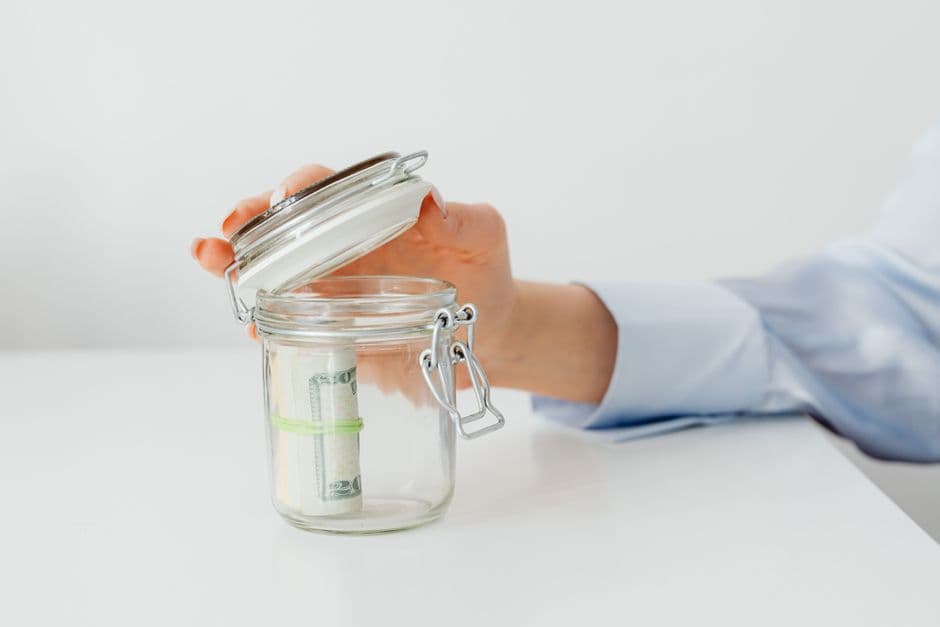
Learning how to build an emergency fund can make unexpected expenses less stressful. A strong cash reserve helps you handle job loss, medical bills, repairs, and urgent travel.
Moreover, you do not need a high income to begin. You need a clear target, an accessible account, and a repeatable savings habit. Start with one small deposit, then increase it as your budget improves.
Why an Emergency Fund Matters
An emergency fund gives you options when life changes suddenly. Without savings, you may rely on credit cards, loans, or delayed payments. Those choices can create expensive debt.
Therefore, your fund should cover necessary costs rather than planned purchases. Examples include rent, utilities, groceries, insurance, transportation, and minimum debt payments.
However, an emergency fund does not need to cover every possible problem. Its purpose involves protecting your basic finances during a difficult period. You can handle smaller emergencies first, then build greater security.
Set a Realistic Emergency Fund Goal
Begin by reviewing your essential monthly expenses. Add housing, food, utilities, transportation, insurance, healthcare, and required debt payments. Exclude subscriptions, entertainment, and optional shopping.
Next, choose an initial target that feels achievable. Many people start with $500 or $1,000. This first milestone can cover common repairs, medical costs, or urgent travel.
After reaching that milestone, consider saving three to six months of essential expenses. Your ideal amount depends on income stability, household size, health needs, and access to other support.
UpCardsCredit card comparatorPick 2 cards and see, line by line, what changes between them.Use it →Build an Emergency Fund With Your Budget
Review your recent bank statements before choosing a monthly savings amount. Look for expenses that you can reduce without damaging your daily life.
For example, you might pause unused services, reduce restaurant spending, or redirect part of a tax refund. Moreover, temporary changes can help you reach your first target faster.
Choose a specific monthly amount and include it in your budget. Even $25 per week creates steady progress. If your income changes, use a percentage instead of a fixed dollar amount.
Automate Your Emergency Fund Contributions
Automation removes many decisions from the saving process. Set an automatic transfer for payday, and send the money to a separate savings account.
Furthermore, schedule the transfer after your paycheck arrives. This approach treats saving like a regular bill. Start with an amount that will not cause overdrafts or missed payments.
You can also direct windfalls toward your emergency fund. Bonuses, gifts, refunds, and side-income payments can accelerate your progress. Keep enough cash for current needs, then save the remainder.
Choose the Right Savings Account
Keep emergency money safe, accessible, and separate from everyday spending. A federally insured savings account can provide useful protection for eligible deposits. Review guidance from the Federal Deposit Insurance Corporation before choosing an account.
Compare fees, withdrawal rules, interest rates, and transfer times. A high-yield savings account may offer more interest than a basic account. However, convenience matters because emergencies require timely access.
Avoid placing your emergency reserve in volatile investments. The market can fall when you need the money most. Instead, use an account designed for stability and liquidity. You can learn more here about organizing your broader savings plan.
Protect and Rebuild Your Emergency Fund
Use your savings only for genuine emergencies. A broken water heater, urgent medical bill, or sudden income loss may qualify. A sale, vacation, or new device usually does not.
Before withdrawing money, ask whether the expense threatens your health, housing, income, or transportation. Moreover, compare the cost of using savings with the cost of borrowing.
After a withdrawal, restart contributions quickly. Rebuilding may take time, so avoid judging yourself. Review the event, update your target, and improve your plan if the expense exposed a recurring risk.
Common Emergency Fund Mistakes
One common mistake involves setting an unrealistic target. A large goal can discourage consistent action. Instead, create smaller milestones and celebrate progress without spending the savings.
Another mistake involves keeping the money in your checking account. Easy access can encourage impulse spending. A separate account creates a helpful boundary while preserving access during urgent situations.
Finally, do not ignore high-cost debt completely. Balance emergency savings with debt repayment. Consider building a starter reserve first, then directing extra money toward expensive debt while continuing small contributions.
Frequently Asked Questions
How much should I save in an emergency fund?
Start with a small milestone, such as $500 or $1,000. Then aim for three to six months of essential expenses. Your income, household, and job stability should guide the final target.
Where should I keep my emergency fund?
Use a separate, federally insured savings account with convenient access. Compare fees, interest rates, withdrawal rules, and transfer times before opening the account.
Should I build savings or pay off debt first?
Consider building a starter reserve before aggressive debt repayment. This buffer can reduce the need for new borrowing. Then balance continued savings with payments toward high-interest debt.
What counts as an emergency?
An emergency usually threatens your health, housing, income, or transportation. Examples include urgent medical bills, essential repairs, and unexpected job loss. Planned purchases do not normally qualify.
Conclusion
How to build an emergency fund becomes simpler when you follow a clear process. Set a modest target, review your budget, automate transfers, and keep the money in a safe account.
Moreover, steady progress matters more than a perfect starting amount. Protect your savings, rebuild after withdrawals, and increase contributions when your income grows. Over time, your emergency fund can provide valuable financial flexibility.